
Project Snapshot
Client: Akash Digital TV, Bangladesh
Location: Bangladesh
Project: Satellite Uplink Reengineering and Bangabandhu-1 Integration
My Role: Project Lead and Principal Engineer, Benchmark Broadcast Systems
Responsibilities: RF systems engineering, antenna mechanical reconfiguration, uplink redesign, installation supervision, equipment integration, commissioning and testing
Key Infrastructure: Satellite uplink antenna, azimuth collar modification, replacement feed assembly, waveguide distribution, CPI traveling-wave tube amplifiers (TWTAs), upconverters, RF redundancy switching, LNBs, Automatic Uplink Power Control (AUPC), RF combiners and redundancy systems, and monitoring/control infrastructure
Technical Achievements: Reuse of the asset (Uplink antenna) to include changing antenna sectors and elimination of dedicated terrestrial connectivity
Project Story
The Akash DTH project in Bangladesh presented an interesting engineering challenge: how to recover the value of an existing satellite uplink facility that had been rendered unsuitable for its intended purpose by a change in national satellite strategy.
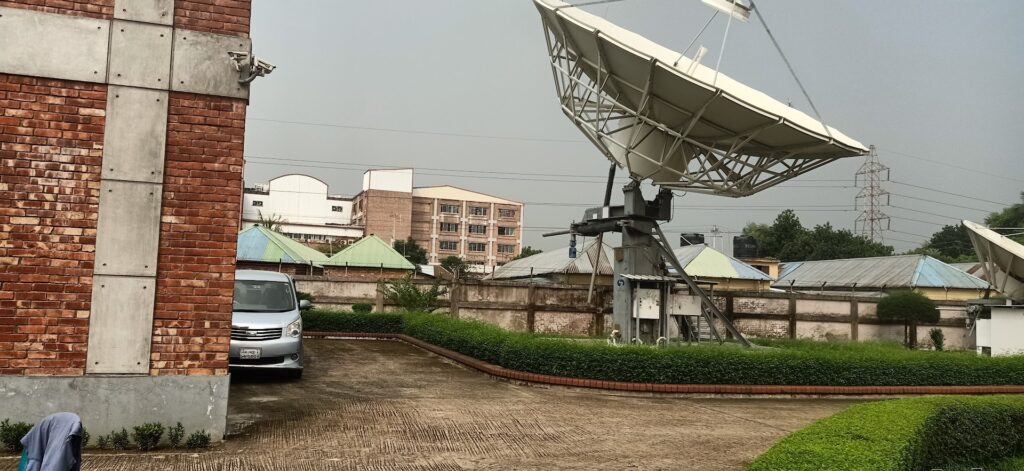
The facility had originally been commissioned to operate with a Russian DBS-band satellite, reflecting Russian investment in the Akash television platform. However, when Bangladesh mandated the use of its national satellite, Bangabandhu-1, the existing uplink could no longer be used in its original configuration.
Instead, Akash transported five television transport streams over terrestrial infrastructure to the Bangabandhu teleport, where the signals were uplinked to the satellite. This arrangement worked, but introduced substantial ongoing terrestrial transmission costs while leaving the original uplink infrastructure unused.
As Project Lead and Principal Engineer for Benchmark Broadcast Systems, my responsibility was to reengineer the existing uplink facility so that Akash could transmit directly to Bangabandhu-1.
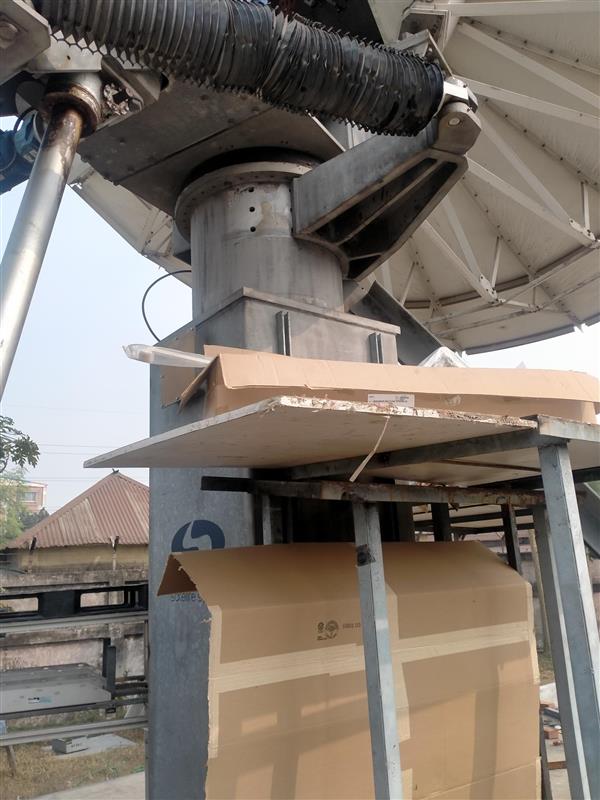
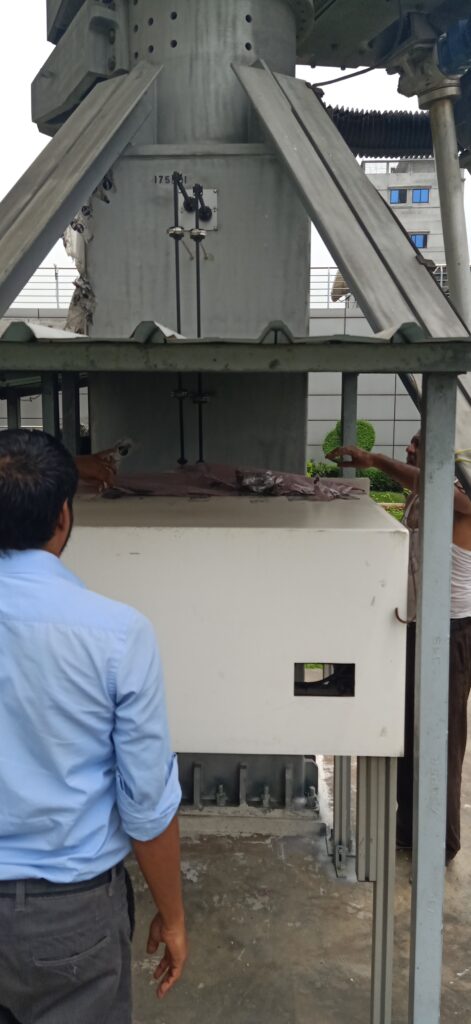
One of the key challenges was adapting the existing antenna to point toward the new satellite. Its mechanical design limited azimuth travel to approximately 85 degrees. My installation team performed an on-site azimuth collar reconfiguration, shifting the antenna’s available range of movement to a different sector of the sky. This allowed us to reach the required orbital position without replacing the antenna structure.
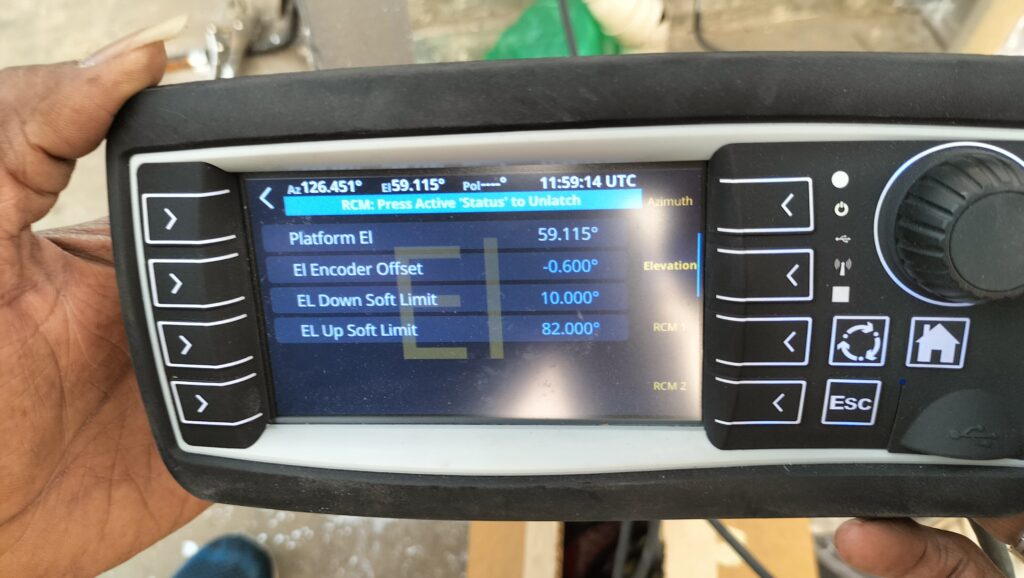
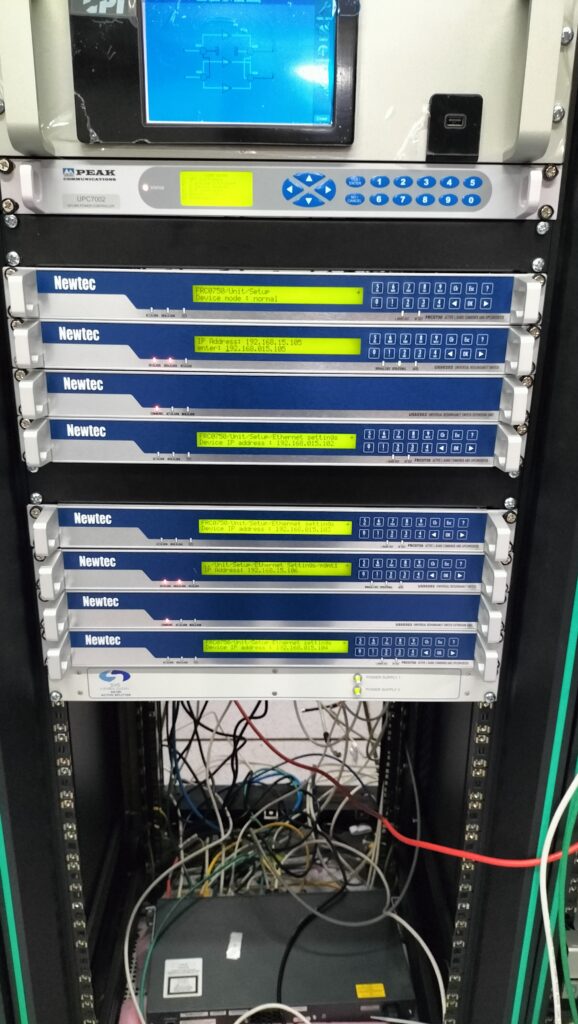
The RF modifications included replacing the antenna feed assembly, installing new waveguide components and LNBs, and integrating RF combiners, redundancy switching and an Automatic Uplink Power Control (AUPC) system.
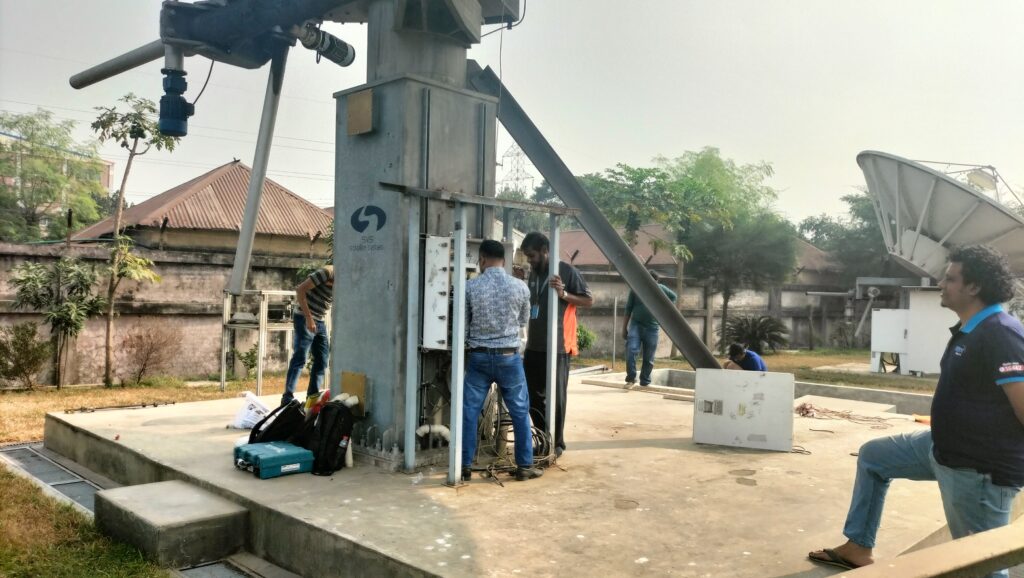
These modifications required integrating new RF equipment with the existing infrastructure and ensuring that the complete transmission chain operated correctly with the new satellite.
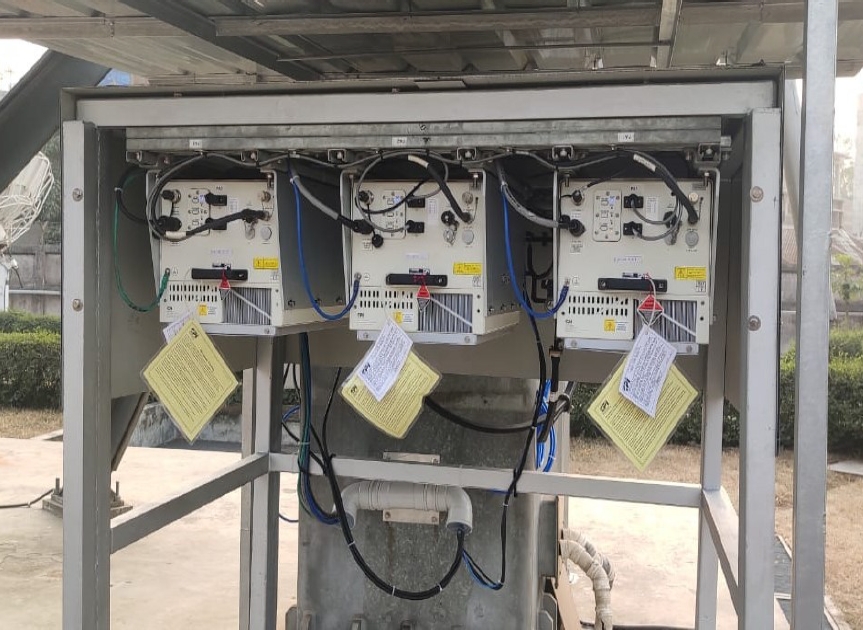
The upgraded facility enabled Akash to uplink its five transport streams directly to Bangabandhu-1, eliminating the need to carry them over the expensive terrestrial connection to the separate teleport.
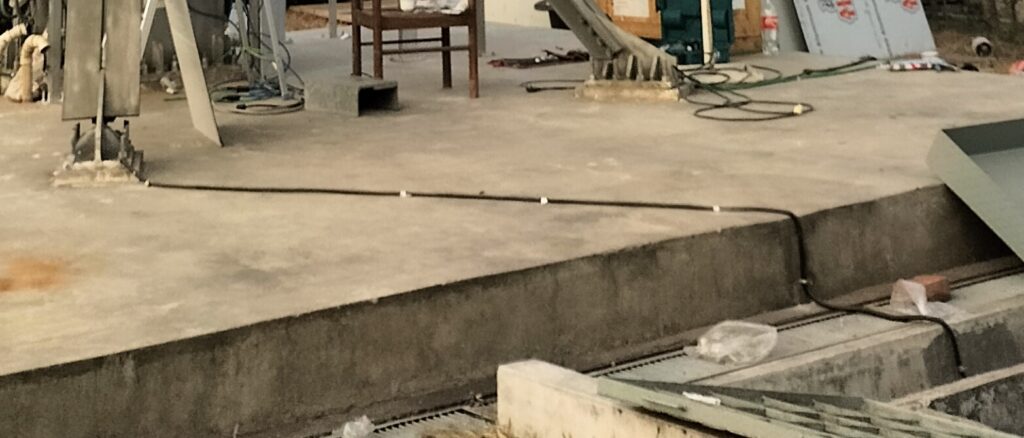
The project demonstrated how thoughtful systems engineering and selective infrastructure upgrades could restore the value of an existing facility while simplifying the operational architecture and reducing recurring transmission costs.